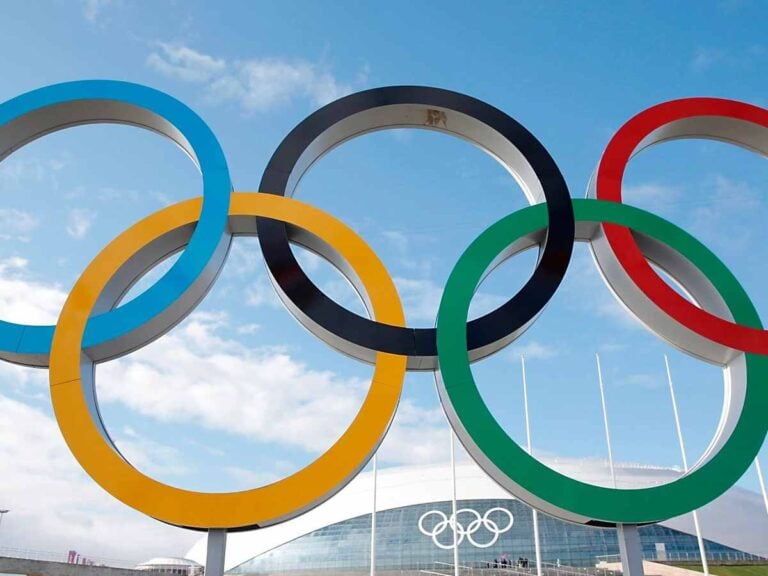
Qatar has been confirmed as one of seven countries hoping to host the 2036 Olympic and Paralympic Games. The International Olympic Committee (IOC) has published its handbook for prospective hosts, along with the list of interested parties entering the first stage of a revised selection process.
The contenders
Qatar is joined by India, Germany, Hungary, Turkey, South Africa and South Korea, all now in preliminary talks with the IOC.
Each brings a different case:
• Qatar would be the first Muslim-majority nation to host the Games.
• India, the world’s most populous country, is seeking its first Olympics.
• Germany is represented by Munich, which hosted in 1972.
• South Africa hopes to deliver the first Games on African soil, building on its 2010 World Cup.
• South Korea has staged both summer and winter Games, in Seoul in 1988 and Pyeongchang in 2018.
• Hungary has bid before, most recently for 2024, but has never hosted.
• Turkey’s Istanbul has failed in five previous attempts.
Key milestones ahead
• Now to October 31: Any other interested countries may still come forward, though new entrants are considered highly unlikely.
• March 2027: A shortlist will be drawn up, with some countries moving to a new “strategic dialogue” phase.
• 2028: Preferred hosts will be named once the dialogue phase ends.
• Mid-2029: A final decision is expected.
The process has changed under IOC President Kirsty Coventry, with the added dialogue stage and greater involvement of IOC members. More than one preferred host may now be named, unlike past contests where the executive board put forward a single candidate. For context, Los Angeles will host the 2028 Summer Games and Brisbane the 2032 edition.
Qatar’s pitch
Fatima al-Kuwari, CEO of the Doha 2036 Olympic and Paralympic Bid Committee, described the confirmation as validation of Qatar’s ambition and “just the beginning of a long journey”. The bid will lean on the country’s record of hosting major events, most notably the 2022 FIFA World Cup, and promises a “future-ready” Games that is athlete-centered, connected and accessible, with a lasting legacy for sport and society.
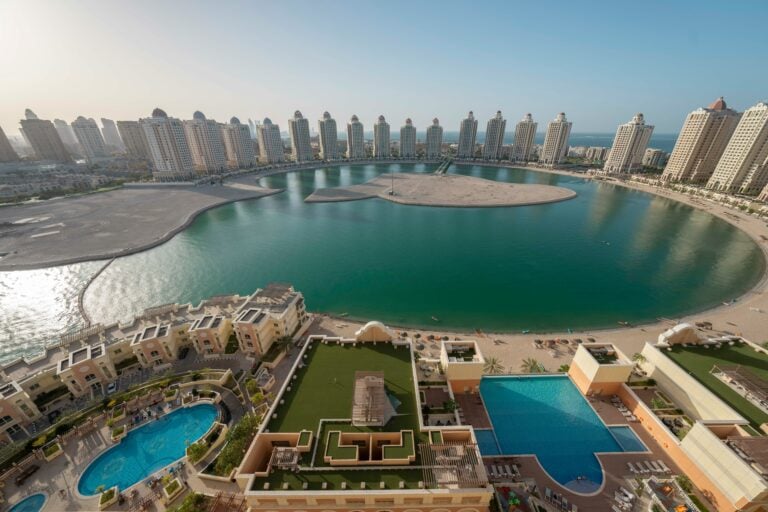
Qatar’s previous attempts have not reached the final stage, but its event-hosting experience has grown considerably since then. It has previously staged the 2006 Asian Games and the 2019 World Athletics Championships as well as the 2022 FIFA World Cup, with Doha also hosting the next edition of the Asian Games in 2030.
What hosting involves: the scale of a modern Games
The figures below, taken mostly from Paris 2024, show what a host takes on:
• Teams: About 206 National Olympic Committees took part, plus a refugee team. The Paralympics welcomed around 168 delegations.
• Athletes: Roughly 10,500 competed at the Paris Olympics across 32 sports and 329 events, followed by around 4,400 Paralympians.
• Spectators: In 2024, more than 12 million Olympic tickets were sold, and about 2.4 million for the Paralympics.
• Hosting the Games would mean roughly 10,000 athletes, hundreds of team coaches and support staff, global media, and millions of spectators across two back-to-back events.
Hosting the Olympic Games in Qatar would further accelerate the country’s Vision 2030 ambitions by enhancing further the existing world-class infrastructure, sustainable urban developments, and high-capacity transit networks in the country. For businesses, the event has the potential to unlock expansive commercial opportunities across hospitality, sports technology, construction, and global service logistics, while providing yet another global, high-profile sporting platform to showcase Qatar as a premier hub for international trade, tourism, and innovation. Building on the nation’s proven track record of executing mega-events, hosting the Games leverages state-of-the-art venues designed for long-term community integration, creating an enduring legacy that boosts non-oil & gas GDP, elevates local enterprise, and reinforces Qatar’s position as a world leader in international sport and economic diversification.