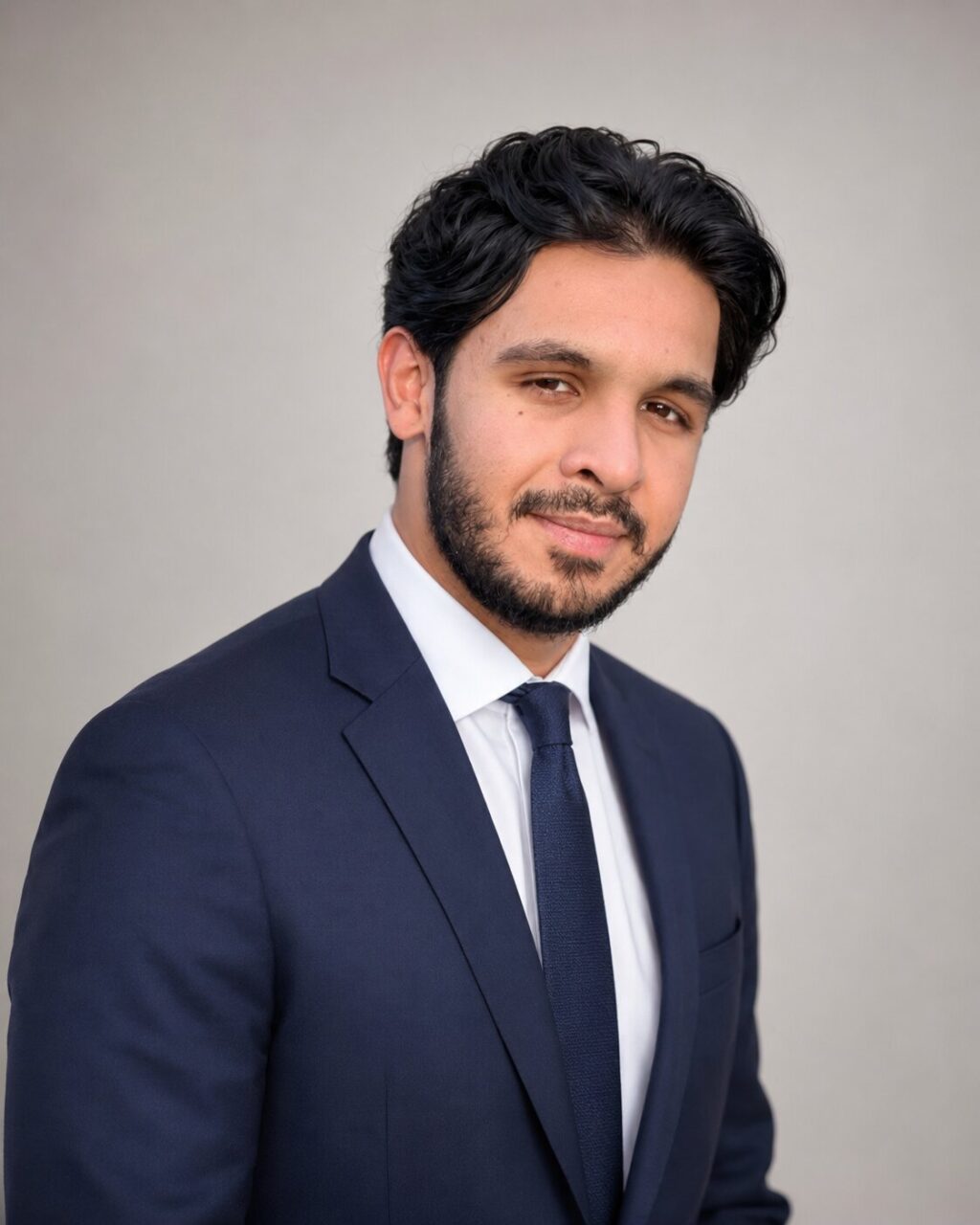
What begins as curiosity about a Qatari-backed development in London becomes, for Lawyer & Managing Director Adam Hussain, a move to Doha and a lesson in running a small business across two markets. A year in, he explains why an overseas enquiry is only a starting point, how to test demand before expanding, and how hybrid legal services and local relationships help a boutique firm compete. He closes with the case for mentoring and practical takeaways for founders.
My interest in Qatar began in a car park. I was living in Battersea, and Chelsea Barracks was where I parked my car each day. The development, being redeveloped for residential use by Qatari Diar, a subsidiary of the Qatar Investment Authority (QIA) was taking shape and watching this happen made the relationship between the two markets feel very real. It also made me curious about the people and country behind it.
At Aldwych Legal, growing enquiries from Qatari business people and investors added a professional reason to that curiosity. My work centres on commercial and international legal matters, including corporate and government litigation, international law and consumer advocacy.
I saw value and need in understanding both the questions and challenges clients were bringing to me and the business environment they were coming from. The question was whether I was simply responding to demand or overlooking a larger opportunity.
Early visits to Qatar eventually became a decision to dedicate more of my time in Doha. Just over a year since moving here, I’m still learning what that decision means for a small business. My advice to other founders considering a similar path is to investigate the demand carefully, then build a way of serving it that the business can sustain.
An enquiry is a starting point
Looking back, I now separate the excitement of receiving overseas enquiries from the evidence needed to justify expansion. An enquiry tells you someone has a question or a problem. It does not yet tell you whether there is a budget, an instruction or a repeatable source of work. For a business considering a second market, the first step is to record what people actually need. Is the same problem appearing repeatedly? Why are they approaching you? Could you serve them well from your existing base, or would being there improve the service?
Those questions are more useful than a general impression that a country offers opportunities.
Four tests before expanding into a new market:
• Demand: is the same need appearing repeatedly, from different people?
• Budget and instruction: is there money and a decision-maker behind the enquiry?
• Serviceability: can you serve it well from your existing base, or would a local presence improve the service?
• Repeatability: is this a source of work or a one-off?
For a legal consultancy, that means getting beyond “an investor needs advice”. Is the difficulty understanding a proposed transaction, identifying the relevant adviser or coordinating work across jurisdictions? Each requires a different response. A small firm needs to explain precisely where it can help and where other expertise is needed.
Learning through local relationships
My experience has included working with a Qatar-based commercial law firm while continuing to build Aldwych Legal in the UK. That has given me a way to encounter the local business environment through actual work and professional relationships. It has also reminded me how much there is to learn after arriving. The harder adjustment has been rebuilding familiarity. In the UK, I already had contacts and a sense of where to turn. In Doha, I have had to introduce myself, ask questions and spend time understanding what other people do. Qualifications are useful, but they cannot supply that familiarity.
The clearest difference I’ve found is less British versus Qatari business culture than the difference between operating somewhere familiar and entering somewhere new. Relationships take time in both places; arriving in a new market makes that especially apparent. Being part of the British Chamber of Commerce Qatar has helped, so has staying in touch after meeting someone and taking an interest in their work. I have also held a legal-awareness workshop attended by more than 100 investors and business owners. A room full of questions offers a useful opportunity to understand what people are finding difficult, without assuming that every conversation will become an instruction.
Keeping the existing business in view
London and Doha both pull on my time. There is always another meeting I could attend or another trip I could make. The risk for a founder is that developing the new market absorbs attention that existing clients still need. That is why I see the practical organisation of the work as central to any expansion. For an SME, the essentials are clear responsibility for each matter, agreed response times and a reliable record of outstanding actions. Clients should know who is doing the work and when they will next hear from the business.
Those arrangements matter even when the founder is travelling. There also needs to be a sensible test for accepting opportunities. Does the work fit the business’s expertise? Is the scope clear? Are the right people available to deliver it? Will the fee justify the time involved? A promising introduction can still lead to work that a small business should decline.
I enjoy the convenience and quality of life in Qatar. Comfort is not a business case, so I assess every opportunity against fit, scope, capacity and fee before accepting it. I want Aldwych Legal to grow in a way that allows me to maintain the standard of the work.
What a hybrid service could look like
My recently published first book explores changing ways of delivering legal services, including hybrid business models. It is a subject I also approach through my ongoing doctoral research into legal services regulation and consumer outcomes.
For me, a useful hybrid model combines personal contact with work that can be delivered remotely and specialist input where it is needed. For example, an initial meeting might establish a client’s commercial objectives; documents and routine updates could then be handled through a secure digital process, with an appropriately qualified local adviser addressing jurisdiction-specific questions. That is an illustration of how a service can be organised, rather than a claim that every matter should follow the same route.
This approach can allow a boutique business such as mine to serve an international client without building a large permanent team in every location. The business benefits are lower overheads, faster response and access to specialist input without a permanent local presence. My doctoral research informs the model: transparency on fees and clarity about who is responsible matter as much as the technology. It still requires clear responsibility. The client needs to understand which business they are instructing, who is advising on each issue and how fees are agreed.
Technology can make communication easier, but the responsibility for explaining and checking the work remains with people. The same principle applies outside law. A small consultancy can bring in particular expertise for a project while maintaining a consistent point of contact. Its credibility depends on how well those people work together and whether the client receives what was promised.
Contributing while you are still learning
Mentoring aspiring lawyers and speaking with students have been important parts of my time here. Some want to understand routes into the UK market; others want a more honest account of starting a business than they might get from a polished biography. I was the first in my family to go to university, and my father invested a great deal in giving me opportunities. That support is one reason I want to make time for people who are earlier in their careers.
You do not need to have answered every question in your own career before being useful to someone else. I would encourage other professionals to contribute in a way they can sustain, whether through a workshop, mentoring or a conversation with students. There is a business case as well: it builds a talent pipeline, strengthens reputation and provides market intelligence. It also makes you listen. Explaining your work to someone encountering it for the first time can reveal assumptions you have stopped questioning.
If I were approaching Doha again, I would give myself the same permission to explore, but set clearer questions for each visit and follow up more deliberately. I would want to know which problems I could help solve, which relationships needed time and what the existing business could realistically support. Those are the questions I am still working through as I build Aldwych Legal between London and Doha.
Four takeaways for founders considering a second market:
• Test demand before committing resources.
• Protect existing clients first, with clear responsibility and response times.
• Decide in advance which opportunities you will decline.
• Build local relationships through real work, and follow up. Adam Hussain is the founder and Managing Director of Aldwych Legal, a UK and Doha-based legal consultancy, author, and a doctoral researcher at Royal Holloway, University of London, studying legal services regulation and consumer outcomes. He studied at the University of Salford, King’s College London and The University of Law, and completed practical legal training in Australia. He lives in Doha and has worked with a Qatar-based commercial law firm. He also writes and mentors aspiring legal professionals. For more information about Aldwych Legal visit www.aldwychlegal.com