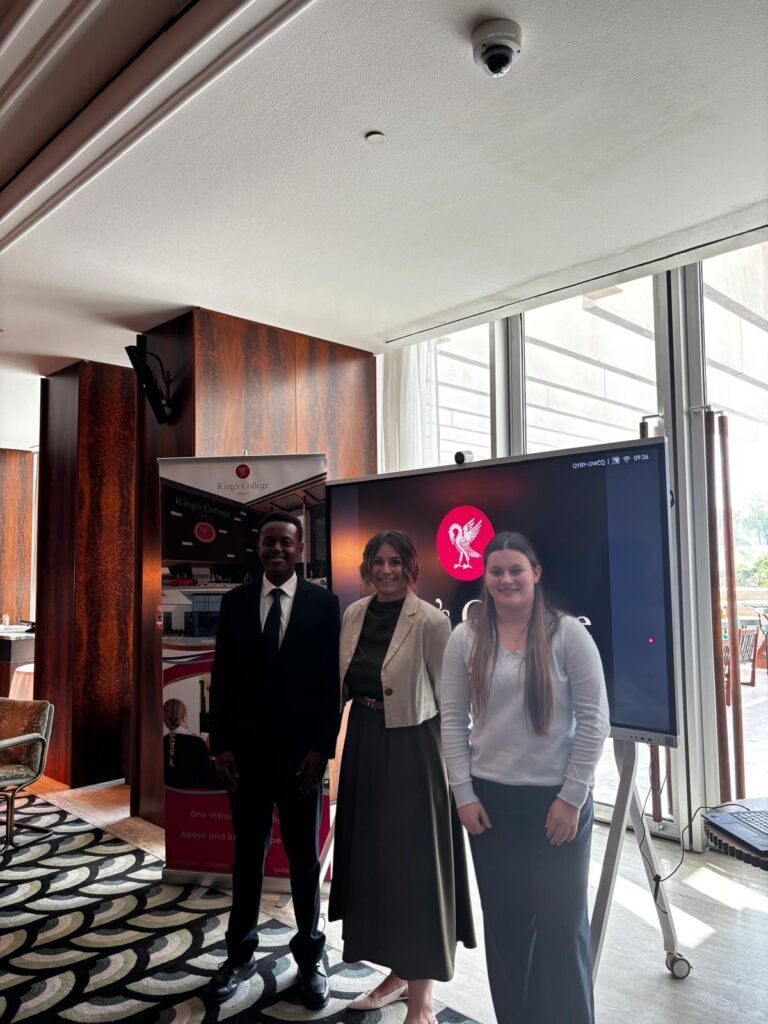
In this article, Emma Higham, Partner at Clyde & Co, explores how recent developments across the region have highlighted the central role of HR functions within Qatar’s private sector, particularly in supporting organisational resilience and continuity. This was reflected in discussions at the German Business Council Qatar (GBCQ) and British Chamber of Commerce Qatar (BCCQ) business breakfast on 31 March 2026. Periods of change provide an opportunity to consider not only operational preparedness but also the strength of legal frameworks, workforce strategies, and leadership decision-making.
A consistent theme is that compliance continues to play a central role as circumstances evolve. During COVID-19, GCC governments issued extensive guidance that, while offering flexibility, did not permit employers to step outside the bounds of applicable labour laws. In the current environment, where formal guidance has been more limited, employers are operating within well-established legal frameworks while continuing to make considered and proportionate workforce decisions.
This reinforces a long-standing principle for HR leaders in Qatar: that compliance frameworks provide an important foundation for decision-making, even as operating conditions develop.
Moving from Reaction to Preparedness
Some employers have relied on established tools to manage workforce costs and operational requirements, including annual leave, voluntary unpaid leave arrangements and, where necessary, employment termination. These mechanisms, when used appropriately, remain effective.
At the same time, there is an increasing focus on complementing these tools with more structured, forward-looking approaches. In particular, internal policies addressing periods of operational change can help:
- Set expectations with employees in advance.
- Outline how temporary measures may be implemented; and
- Provide clarity around decision-making processes.
Such frameworks do not limit flexibility; rather, they support consistency and transparency in how it is applied.
The Insurance Gap
A further theme emerging in practice is the relationship between risk awareness and risk transfer.
Business interruption insurance products that include salary cover are available in the market, although uptake varies. In some cases, organisations only explore these options at a later stage, when cost and availability considerations may differ. This highlights an opportunity for closer alignment between HR, legal and risk functions.
A more integrated approach can support organisational resilience, particularly given that workforce costs are often a significant financial consideration. Viewing these costs through both an operational and risk management lens is an area where organisations may continue to evolve.
Clarity, Communication and Trust
Across sectors, the importance of clear and consistent communication remains a central theme.In dynamic environments, employees may receive information from multiple sources simultaneously. Organisations that establish themselves as a reliable and transparent point of communication are often better positioned to support engagement, maintain focus and minimise uncertainty.
This is not solely a communications exercise; it is a core component of workforce management and, ultimately, business continuity.
The Human Factor
Alongside legal and operational considerations, the human dimension remains central. Organisations are often defined not only by the decisions they make, but by how those decisions are experienced by their people. Transparent communication, visible leadership and meaningful support for employee wellbeing all contribute to a stable and engaged workforce.
In Qatar’s international workforce, where many employees are based away from extended family networks, this aspect of support continues to play an important role in maintaining engagement and continuity.
Looking Ahead
For HR leaders and employers in Qatar, the path forward is clear:
- Reinforce compliance frameworks, ensuring crisis responses are legally grounded.
- Develop structured crisis policies to support a more proactive approach to workforce management.
- Integrate HR with risk and insurance planning, particularly in relation to salary exposure.
- Invest in communication and employee support mechanisms, to sustain trust and continuity.
While each period of disruption is different, the underlying lessons are cumulative. Organisations that take the opportunity to reflect, refine and prepare will be better positioned not only to withstand future challenges, but to emerge from them stronger.
Over time, resilience is built through preparation, clarity and consistency.
Authors: Emma Higham and Sarit Thomas
Law at Work
Simplifying HR compliance across the Middle East & Africa
Employment law and HR practices are constantly evolving. Even the most experienced HR teams can find it challenging to keep up. Regulatory updates, varying requirements across jurisdictions, and the need to ensure consistent compliance can put significant pressure on HR operations.
Law at Work is a subscription-based platform that helps HR teams navigate legal and regulatory changes, reduce risk, and save time.
Learn more here: Law at Work: Clyde & Co